Prevent School Absences c. 1991 v. 9/2000 Ellie Goldberg, M.Ed.
Too
many days absent not only disrupts a child's schooling, it can be
costly for parents, too. Frequent disruptions create intense stress for
parents trying to juggle job and family responsibilities. Too much time
out of work can result in lost wages or even worse, the loss of the job
and the insurance coverage that goes with it. The following
suggestions can help parents and schools prevent and reduce school
absences.
1. IS THE CHILD'S ASTHMA WELL CONTROLLED?
If
not, let your doctor know. Evaluate the current medication plan.
Consider seasonal changes and the growing child's new activities at
school and at play. Good peak flow records can help shorten the time
it takes to find the best asthma care plan. Find out if a sinus
infection or unidentified allergies could be hindering good control.
Take advantage of educational resources, educational programs and
support groups that teach parents, students and teachers about taking
care of asthma, managing allergens and irritants that trigger asthma,
and making good decisions. (See resource list.)
2 . IS ACCESS TO MEDICATION UNRELIABLE OR INCONVENIENT?
Asthma
can spin out of control when students don't get their medicine. School
rules that restrict access to medication or interfere with appropriate
self-care may cause students to miss valuable class time as well as
time with friends during lunch or recess. If a student has to leave
class to use an inhaler, it often creates conflicts with teachers. It
may stigmatize a student as a trouble maker, discouraging him or her
from taking necessary medication. Help teachers, health staff and the
principal to understand asthma and how restrictions can undermine
asthma control and cause disruption and unnecessary absences. A team
approach to problem solving can build trust and may lead to options
that work for everyone. 3. IS SOMETHING AT SCHOOL MAKING YOUR CHILD SICK?
If
a child is fine at home but frequently gets sick at school, assess the
school's environment. Look for irritating or allergenic art materials,
science supplies or cleaning products, animals, moldy carpets or
ceiling tiles, poor maintenance, or air quality problems caused by
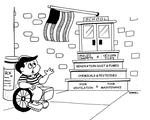
renovation, pest control chemicals or lawn care projects. Is the
heating, ventilating and air conditioning system operating properly?
Get involved in your school’s site-based management team. Obtain resources about improving school indoor air quality: - Healthy Schools Network, Inc. www.healthyschools.org - US EPA Indoor Air Quality Information Clearinghouse www.epa.gov/iaq - National Clearinghouse for Educational Facilities, www.edfacilities.org
ELLIE GOLDBERG, M.Ed. is an education and environmental health advocate for healthy children, safe schools and sustainable communities – clean water, clean air, clean energy and safe food. Inspired by the legacy of Rachel Carson, who taught that our health and security is intimately connected to the quality of our environment, Ellie is active in public health, environmental, educational and public policy organizations working to increase citizen engagement, government accountability and corporate responsibility on behalf of children and their healthy development.